TLDR
April to September is the best window for Bintulu: 26 to 32 Celsius, lowest rainfall, reliable beach access at Similajau. November to February is monsoon with heavy rain and flooded trails. August to October can bring haze. June to July is the single best time.

Insider Tip
If you can time the Borneo International Kite Festival in late September you get excellent weather, a genuine local spectacle and hotel rates that have not yet spiked. Book 6 weeks ahead because the festival fills most town-centre hotels.
Planning your stay? Check Bintulu hotel rates on Booking.com, a straightforward way to compare town centre and ParkCity options.
The Two-Season Year in Bintulu

Bintulu has no real cool season. Temperatures sit between 24 and 33 Celsius year round with humidity of 80 to 90 percent. The meaningful split is dry versus wet. The dry window runs roughly April to October with occasional short afternoon showers. The wet window is the northeast monsoon from November to February, with heavy afternoon rain and sometimes all-day downpours.
Local weather is driven by the South China Sea and coastal rainforest rather than the altitude-based seasons you get in highland Sarawak. Rainfall is the variable that matters most: 150 to 250 mm per month in the dry season, 300 to 500 mm per month in the monsoon. Heat and humidity are roughly constant. See MET Malaysia for current forecasts.
January: Deep Monsoon
January is the wettest month of the year with 400 to 500 mm of rainfall and daytime highs around 28 to 30 Celsius. Similajau beach access is often restricted by high tides and storm swells, and some park trails close. Taman Tumbina stays open but many visits get shortened by afternoon rain.
The upside is the lowest hotel rates of the year, often 20 to 35 percent below dry season prices. For travellers on a tight budget happy to work around weather, January is a reasonable value window. Chinese New Year in late January or early February bucks the price trend and fills hotels across Sarawak.
February: Monsoon Tail


February is still in the monsoon with 300 to 400 mm of rain, but it starts to ease in the second half of the month. Similajau is marginal; the beach trails are usable some days but the crocodile-safety rule on the rivers becomes stricter because of strong flows.
Gawai-Kaul festivities and Chinese New Year shoulder events in the region can be interesting, though the major Kaul Festival at Mukah 155 km away usually falls in April. For a trip in February, plan indoor backups: Parkcity Mall, the Bintulu Regional Library and long kopitiam sessions on Jalan Abang Galau.
March and April: Transition to Dry
March sees rainfall drop below 250 mm and temperatures climb to 32 or 33 Celsius with humidity staying high. April is when the dry season feels reliable, with clear mornings, occasional short afternoon showers and Similajau fully open for beach and trail walks.
April also brings the Kaul Festival at Mukah, a Melanau purification ceremony worth a side trip. Hotel rates are mid-range, up roughly 10 to 15 percent from monsoon lows. This is one of the better windows for first-time visitors balancing weather and price.
May to July: The Sweet Spot
May, June and July are the most reliable months to visit Bintulu. Rainfall stays around 150 to 200 mm with most days clear in the morning and a 30 to 60 minute shower in the afternoon if at all. Temperatures sit at 26 to 32 Celsius. Similajau is at its best for beach access and wildlife. The Gawai Dayak harvest festival on 1 to 2 June is worth planning around, though hotel rates tick up in early June.
July in particular is the single strongest month. The dry trend is well established, festivals are spread out, and hotel demand is moderate. Pack light cotton, a folding umbrella, insect repellent and a modest cover up for mosque visits and Kampung Jepak.
August to October: Dry but Watch the Haze
August, September and October continue the dry trend with rainfall at 180 to 250 mm a month and temperatures 27 to 32 Celsius. The complication is haze from regional land-clearing fires. In bad years the Air Pollutant Index climbs above 150 from mid-August through October and outdoor activities become unpleasant. In good years it is barely noticeable.
Check IQAir or the Department of Environment Malaysia dashboard before booking if these months are unavoidable. The late-September Borneo International Kite Festival is a genuine highlight and fills hotels for the weekend; book 6 weeks ahead. For orientation before arrival see our things to do guide.
November and December: The Monsoon Begins
November is the shoulder into the monsoon. Rainfall climbs to 300 mm with heavier afternoon storms. December brings the peak of monsoon weather, 400 to 500 mm of rain, the most dramatic afternoon downpours of the year and flash flooding on some access roads to Similajau. Christmas week fills hotels despite the weather.
For weather-indifferent travellers who want low crowds and low prices, late November and early December are workable. Allow 30 to 40 percent more time for every outdoor plan. Similajau is usable for morning visits before the afternoon rain kicks in at 2pm to 3pm.
Packing for the Right Season
Year-round essentials: light cotton clothing, insect repellent with DEET, reef-safe sunscreen, sun hat, closed shoes for trails, a folding umbrella. Dry season adds a refillable water bottle and electrolyte tablets for longer trail days at Similajau. Monsoon adds a proper rain jacket, quick-dry trail pants and a waterproof bag cover.
For specific trip planning on trails, food and day trip scheduling see our Similajau National Park guide and the day trips from Bintulu guide. For the full range of hotel options across the seasons, the where to stay guide lists which areas do best in rain.
You might also find these useful: Things to Do in Bintulu, Best Day Trips from Bintulu, Similajau National Park Guide.
“Visited in late July and got lucky with clear mornings every day and the usual short afternoon rain. Similajau beach was dry and open. Booking hotels 3 weeks out there was plenty of choice and reasonable rates.”
“Good value in the town centre. Airport transfer was sorted at the desk and took 35 minutes. Close to Famous Mama for breakfast laksa.”
Check current Bintulu hotel prices
Compare Bintulu town centre and ParkCity hotels on Booking.com, a solid way to line up your stay with the rest of this guide.
Check Available RoomsWe may earn a small commission if you book through this link. It does not cost you anything extra.
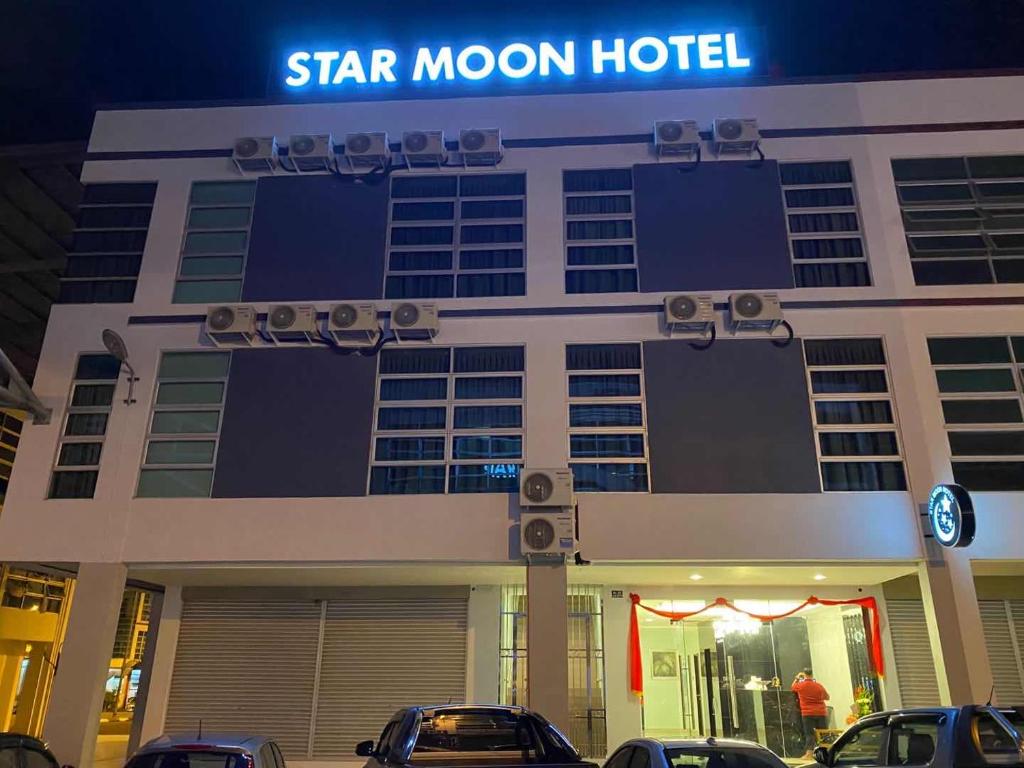
See Star Moon Hotel for Yourself
Browse All Photos on Booking.com →
This post contains affiliate links. We may earn a commission at no extra cost to you.
Frequently Asked Questions
See Star Moon Hotel for Yourself


Browse All Photos on Booking.com →
This post contains affiliate links. We may earn a commission at no extra cost to you.
When is the best time to visit Bintulu?
April through September is the sweet spot with temperatures of 26 to 32 Celsius, the lowest rainfall of the year and reliable beach access at Similajau. June and July are particularly good with dry mornings and shorter afternoon showers.
What is the monsoon like in Bintulu?
The northeast monsoon runs November to February with heavy rainfall peaking in December and January. Daily rain of 200 to 350 mm is common, sea access at Tanjung Batu and Similajau is often restricted and some park trails close. It is still visitable but plan indoor alternatives.
How hot does Bintulu get?
Temperatures sit between 24 and 33 Celsius year round with humidity of 80 to 90 percent. There is no cool season. March to May is typically the hottest window with daytime highs reaching 34 Celsius and uncomfortable humidity. Mornings and evenings are always more comfortable than midday.
What is the haze season?
August to October is peak haze risk from regional land clearing fires. In bad years the Air Pollutant Index climbs above 150 and outdoor activities become unpleasant. In good years it is barely noticeable. Check IQAir before booking if this window is unavoidable.
When is the cheapest time to visit?
November to early February, during the monsoon, is the lowest season with hotel rates often 20 to 35 percent off peak prices. If you can work around rain it is a reasonable value window. Avoid Chinese New Year and Christmas week which buck the trend.
Are there festivals worth planning around?
The Borneo International Kite Festival in late September brings thousands of visitors and fills hotels across the region. Gawai Dayak on 1 and 2 June is the major Iban and Bidayuh harvest festival. Hari Raya Aidilfitri after Ramadan and Chinese New Year also push rates up.
What should I pack for Bintulu?
Lightweight, breathable clothing for the humidity, a light rain jacket year round, good insect repellent with DEET, reef-safe sunscreen, a sun hat and closed shoes for trails. A modest cover up is useful for mosque visits and more conservative villages like Kampung Jepak.
Is there a bad month to visit?
Late December and January are the hardest months with the heaviest monsoon rain and frequent flash floods closing roads to Similajau. September can be rough in bad haze years. April, June, July and August are the most reliable.